
Concrete Driveways in Melbourne
Need a new concrete driveway or the old one replaced? We install plain, exposed aggregate, coloured and decorative concrete driveways across Melbourne’s west — properly prepped for reactive clay, correctly reinforced, and finished to last. Most cracked driveways out here failed at the base, not the surface, so that’s where we spend the time. Book a free on-site quote and we’ll give you a fixed price before any work starts.
Concrete driveway finishes we lay:
Plain concrete driveways
The durable, cost-effective standard. Clean, hard-wearing, low maintenance.
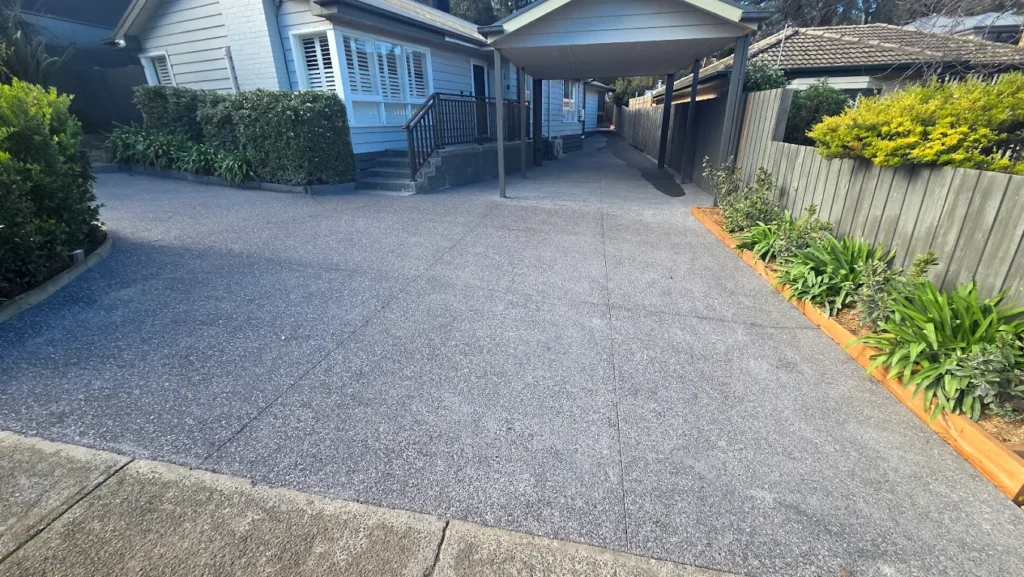
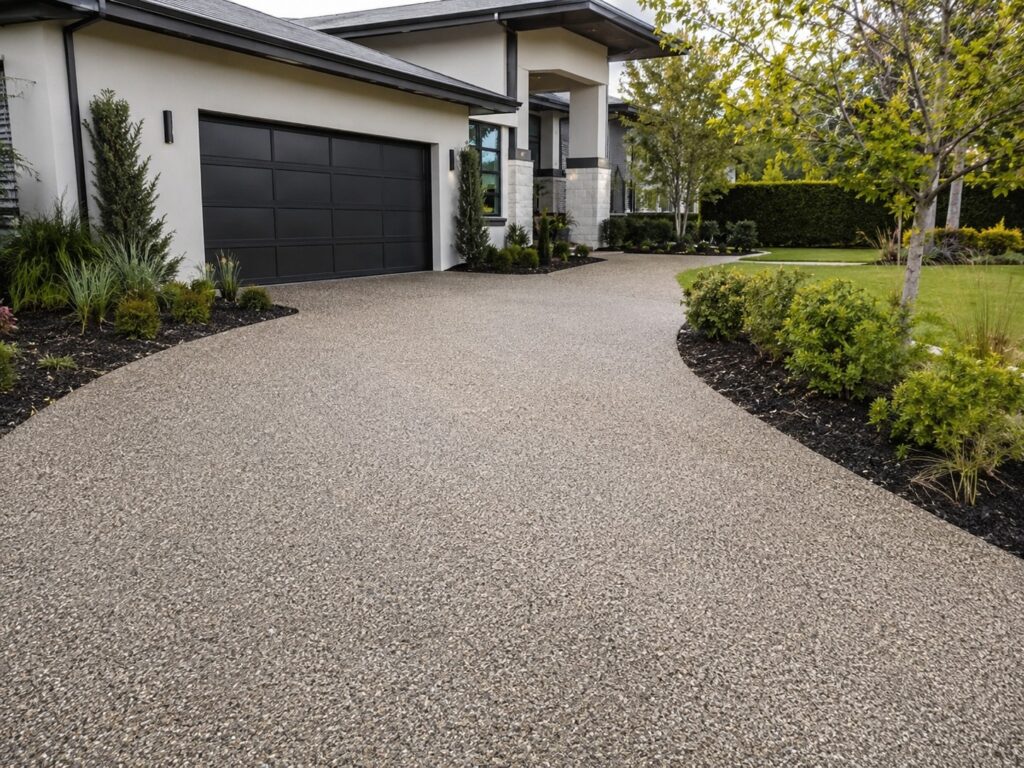
Exposed aggregate
Stone revealed in the surface for a textured, non-slip, high-end finish.
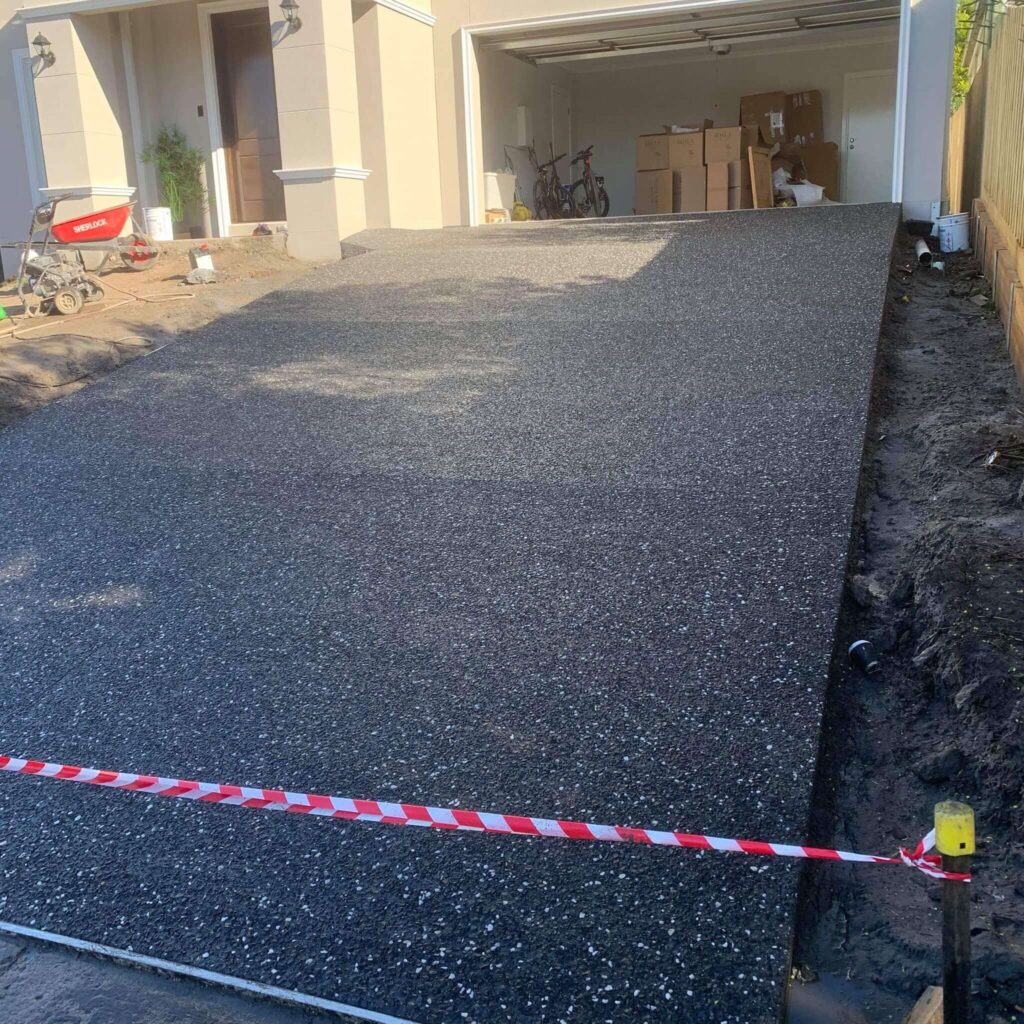
Coloured & stencil
Colour through the mix or stencilled patterns for kerb appeal.
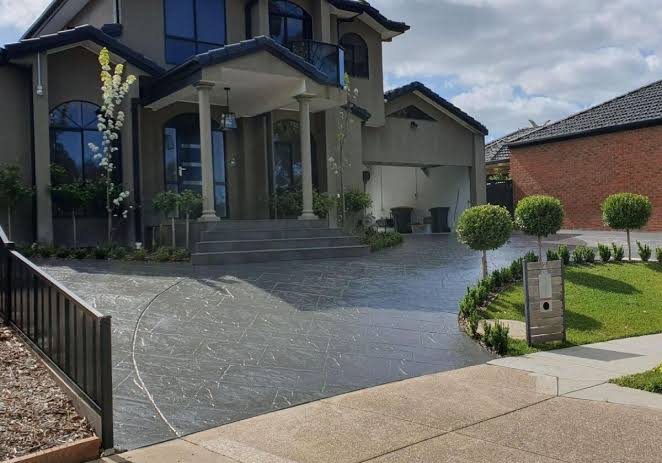
Reinforced & heavy-duty
Extra steel and thickness for caravans, boats or steep access.
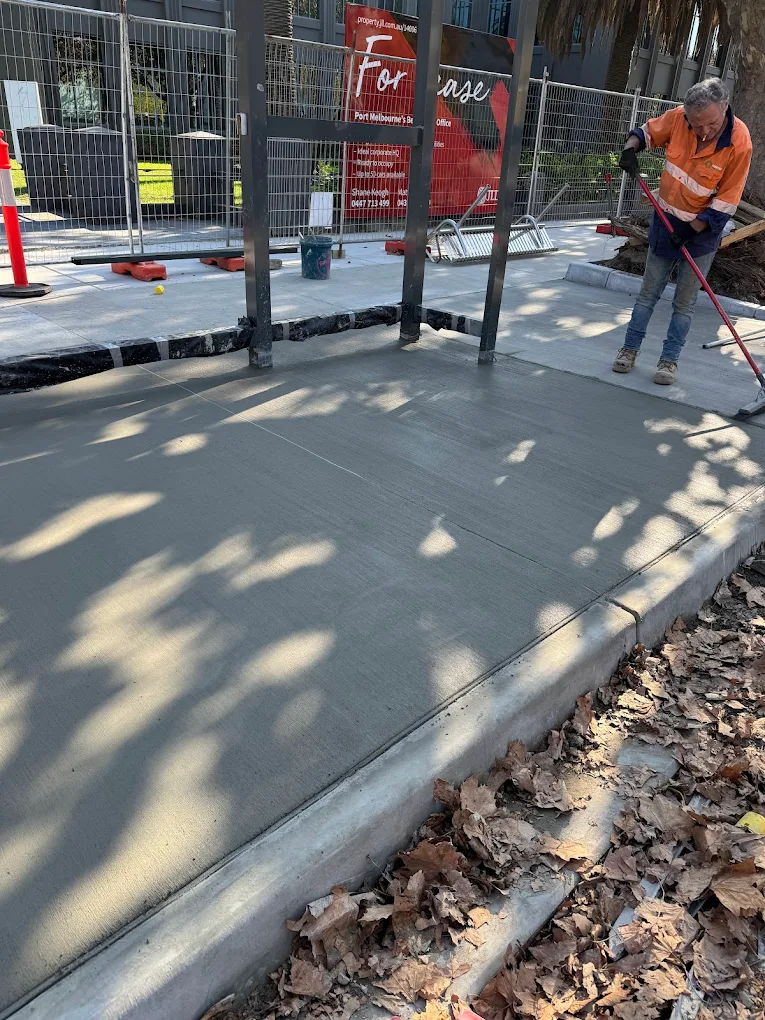
Why Driveways Crack in Melbourne's west:
The ground here moves more than most of Melbourne
Melbourne’s western suburbs sit on reactive clay — flat volcanic ground classified from Class M up to Class H under AS 2870, the Australian standard for slabs on reactive soils. The higher the class, the more the ground moves.
Wet winters, dry summers, a slab caught in between
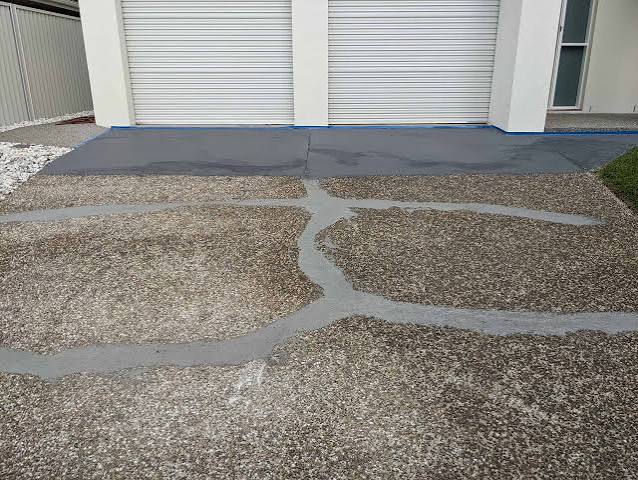
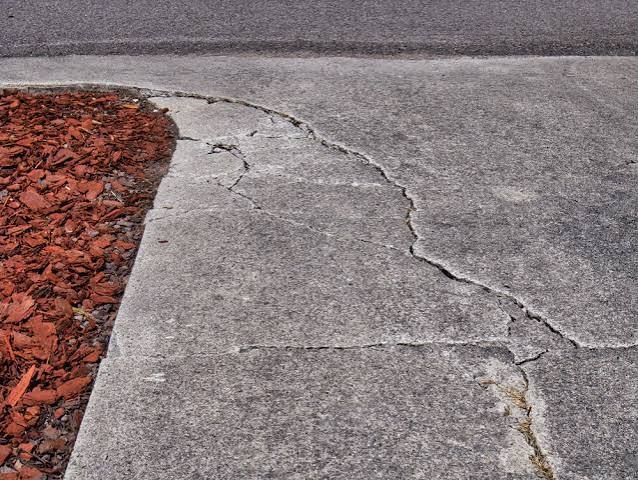
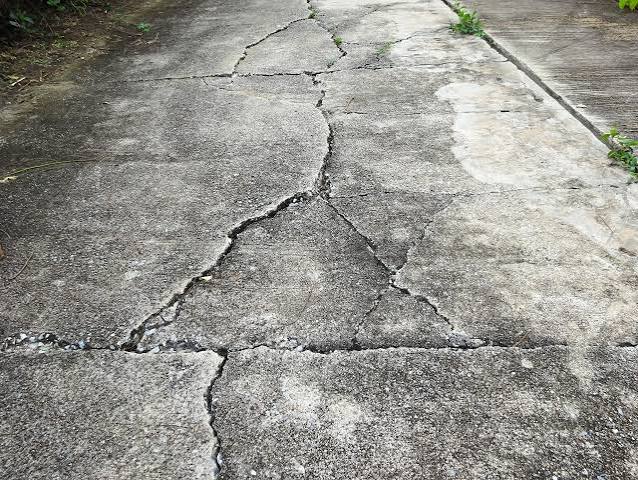
Reactive clay swells when it’s wet and shrinks when it dries. Across a Melbourne year of wet winters and dry summers, that means the ground under your driveway is constantly rising and falling. A slab that wasn’t built to handle that movement gets flexed every season until it cracks. It’s why a driveway that would sit flat for decades in sandy soil can crack within a few years out here — the concrete isn’t worse, the ground is working against it.
Most cracked driveways failed at the base, not the surface
The mix is rarely the problem. The problem is a slab laid on moving ground without the preparation that lets it cope — which is why we spend the time on the sub-base, the reinforcement height and the drainage rather than rushing to the pour. If you want the full explanation, we’ve written a guide on why concrete cracks and how the base controls it.
Thickness, reinforcement and what goes under a driveway
A driveway isn’t a path with cars on it — it carries vehicle loads over moving ground, and the spec has to match that:
- Slab thickness. A standard residential driveway is around 100mm. Thinner slabs don’t have the strength to bridge ground movement and vehicle loads at the same time.
- Reinforcement. Steel mesh — commonly SL72 for a residential driveway — held up on bar chairs so it sits within the slab. Mesh lying on the dirt does almost nothing.
- Heavier loads. Caravans, boats, trucks or steep access get increased thickness and heavier reinforcement, sized at the quote.
- The sub-base. A compacted crushed-rock base under the slab, so the concrete sits on uniform support instead of soft spots that settle or fill that heaves.
- Concrete strength. Specified in MPa (typically 20–32 MPa) to suit the job.
We size the thickness, mesh and mix at the on-site quote rather than pouring a generic spec and hoping. If your driveway needs to take a caravan or sits on a slope, it gets built for that.
HOW WE BUILD A DRIVEWAY THAT LASTS
- Site prep & excavation — clear the area, set levels, dig to the right depth.
- Base & compaction — crushed-rock base, properly compacted so nothing shifts later.
- Formwork & steel — form the edges, lay reinforcing mesh or bar sized to the load, held on bar chairs.
- Pour & finish — pour, screed level, and apply your chosen finish (broom, exposed, coloured).
- Joints & curing — cut control joints to manage shrinkage, then cure properly before use.
Drainage, falls and finished levels
Your driveway decides where the water goes
A driveway is usually the largest hard surface on a property, which makes it the biggest single influence on where your water ends up. Set the falls wrong and it sends rainwater at the house, ponds against the garage threshold, or drains toward a neighbour.
On reactive clay, bad drainage shortens the driveway’s life
Out here it matters twice over. Water pooling along a slab edge drives the exact moisture swings that heave and crack the concrete — so poor drainage doesn’t just cause damp problems, it shortens the life of the driveway itself.
Setting levels around what’s already there
Before we pour, we set out the levels to work with everything the driveway has to meet: the existing garage floor and door threshold, the footpath and crossover height at the street, any paths that join it, and the natural fall of the block. The aim is water running cleanly off and away from the building, with no lip at the garage and no step where the driveway meets the path.
Replacing an old driveway
Why replacement is so common on established streets
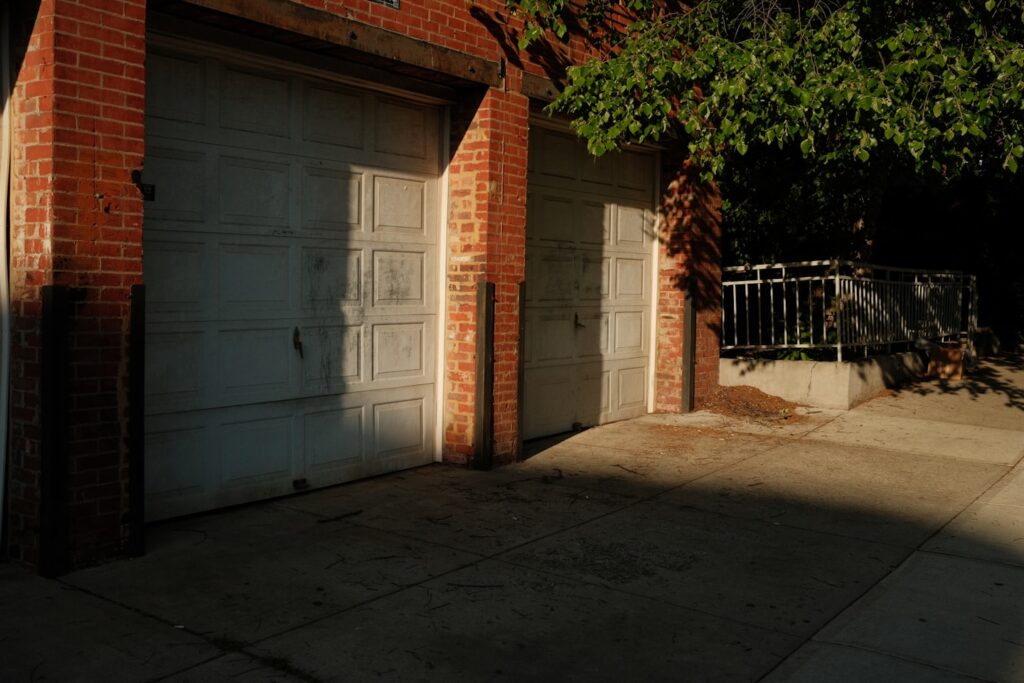
A lot of our driveway work is replacement rather than new pours — particularly on the established streets of Werribee and Hoppers Crossing, where original driveways from the 1970s and 80s have cracked, lifted or become trip hazards.
We rebuild the base, not just the slab
Replacement is more than pouring over the top. We break out and remove the old slab, then look at what’s underneath — because if the original failed, the base is usually why. Repouring the same way it was done in 1985 just repeats the failure on the same ground. So the base gets rebuilt properly: excavated to depth, compacted crushed rock, reinforcement at the correct height, and falls corrected if the old driveway drained badly.
Matching levels so there’s no lip or step
We also match the new slab into what’s staying — the garage floor level, the footpath and crossover, and any paths or gates it meets — so there’s no lip or awkward step where new meets old. Removal and disposal of the old driveway is quoted with the job, so you get one fixed number rather than a surprise at the end.
Not sure if yours needs replacing or repairing?
If the slab is sound and the cracking is cosmetic, a repair may be enough. If the base has gone, replacing it properly is better value than patching it twice. Our guide on why concrete cracks covers how to tell the difference, or send us a photo.
How big is a typical driveway?
It helps to know roughly what you’re dealing with before you get quotes. On the standard estate lots across Melbourne’s west — commonly 350m² to 520m² — a single driveway from the crossover to a double garage usually works out around 40m² to 75m². Wider frontages, longer setbacks, extra parking pads or a turning area push it higher.
Because most concreting is priced per square metre, that range is the biggest single factor in your quote. We measure on site rather than estimating from an aerial photo, so the number reflects the actual job.
Concrete, pavers or asphalt?
Worth knowing what you’re choosing between before you commit:
- Concrete — a single continuous slab. Longest-lasting of the three when it’s properly based, lowest maintenance, and the widest range of finishes. Cracks are the main failure mode, which is why base prep decides how long it lasts.
- Pavers — individual units on a bedding layer. Easy to lift and replace a section, and they handle ground movement by shifting rather than cracking — but they settle unevenly over time on reactive clay, and weeds and ants find the joints.
- Asphalt — cheaper up front and quick to lay, but softer, shorter-lived, and it needs resealing. It also goes soft in Melbourne heat and marks under a car stand or a caravan jockey wheel.
For most driveways on Melbourne’s western clay, a properly prepared concrete slab gives the best working life per dollar — but if you want a surface you can lift and reinstate section by section, pavers have a genuine advantage. We’ll tell you if concrete isn’t the right call for your site.
Sealing and looking after it
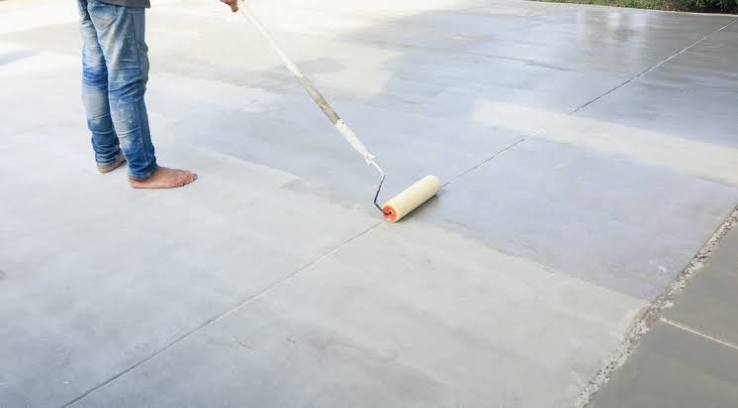
Plain concrete doesn’t strictly need sealing, but it benefits from it — a sealer resists oil stains, tyre marks and surface wear, and makes the driveway easier to clean. Decorative finishes should be sealed: it protects the surface, deepens the colour, and on exposed aggregate it’s what keeps the stone looking rich rather than dull.
After that, maintenance is minimal — a hose-down, and a reseal every few years depending on traffic and sun exposure. We’ll tell you what your specific finish needs and roughly when.
AREAS WE SERVICE:
We pour concrete driveways across Melbourne, including Werribee, Point Cook, Tarneit, Hoppers Crossing, Truganina and More.
What does a Concrete Driveway Cost in Melbourne?
Price comes down to size, finish, site access and whether an old driveway needs removing — plain concrete sits at the lower end, exposed aggregate and decorative finishes cost more. Our concrete driveway cost guide sets out real per-square-metre ranges for each finish, so you can budget before you get anyone out. The only accurate number is an on-site measure, which we do free.
FAQ
How thick should a concrete driveway be?
A standard residential driveway is around 100mm thick with reinforcing mesh. For heavier vehicles like caravans or trucks, we increase the thickness and steel to suit the load.
How long before I can drive on a new concrete driveway?
It’s usually walk-on ready in 24–48 hours and safe for vehicles after about 7 days. Concrete reaches full strength at around 28 days, and cold or wet weather slows curing.
Do I need council approval for a driveway or crossover?
The crossover onto the road sits on council land and needs approval before anyone pours it — the driveway inside your boundary usually doesn’t. Requirements vary by council, and we’ll point you to yours. In Melbourne’s west, start with Wyndham Council’s vehicle crossing requirements.
How long does a concrete driveway last?
A properly laid and cured concrete driveway commonly lasts 30–40 years or more with minimal maintenance — which is why the base prep matters so much.
Do you remove the old driveway?
Yes — we handle demolition and removal of the existing driveway before the new pour. We’ll confirm whether that’s included or quoted separately at the on-site measure.
Get your free concrete driveway quote
Tell us about the job and we’ll book an on-site measure and fixed price