
Why Does Concrete Crack? A Melbourne Homeowner's Guide
Some concrete cracking is normal and harmless. Some of it means the slab is failing and will only get worse. Knowing the difference saves you from either panicking over a hairline you can ignore, or ignoring a structural crack until you’re paying to replace the whole driveway. This guide covers why concrete cracks, the main types and what each one means, and — the part that matters most in Melbourne’s west — why reactive clay makes cracking far more likely here than in most of the country.
This Short Answer
Concrete cracks for four main reasons: it shrinks as it dries, the ground beneath it moves or settles, it expands and contracts with temperature, or it’s overloaded. Most cracks you’ll see on a home driveway are either harmless shrinkage cracks or the result of a base that wasn’t built to handle ground movement. In Melbourne’s western suburbs, that second cause — ground movement on reactive clay — is by far the biggest culprit, and it’s almost always a base-preparation problem, not a concrete problem.
The main types of concrete cracks and what they mean
Shrinkage cracks (usually harmless)
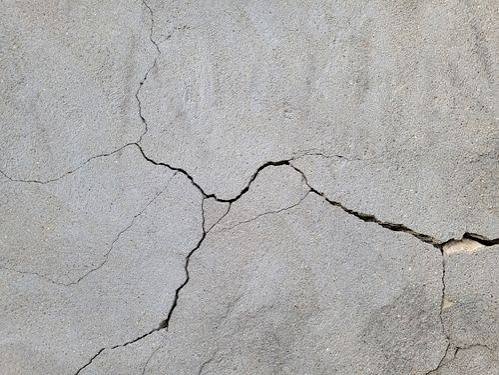
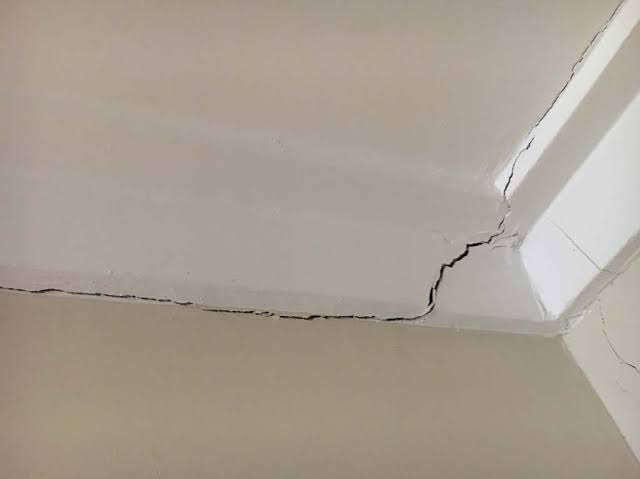
These are the most common cracks, and the least serious. As fresh concrete cures, water evaporates and the slab shrinks slightly — concrete shrinks roughly a few millimetres over every several metres. Because concrete is rigid, that shrinkage creates surface stress, and fine hairline cracks appear. They’re typically thin, shallow (not through the full slab), and don’t line up in a continuous straight line. They’re cosmetic and don’t affect the strength of the slab. Good concreters manage them by placing control joints — more on those below.
Settlement cracks (a base problem)
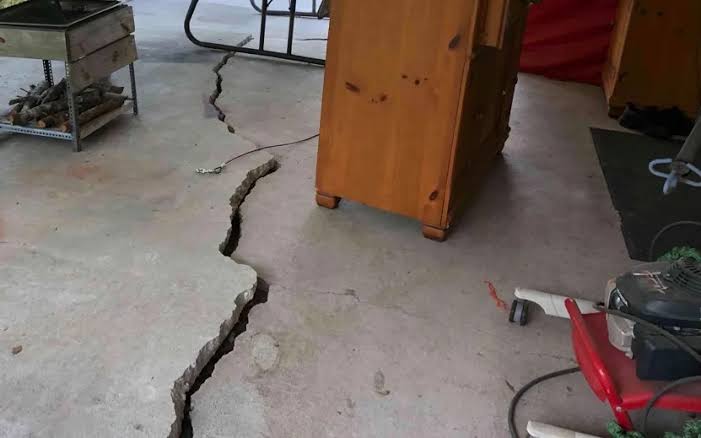
These happen when the ground beneath the slab wasn’t properly compacted, or was laid over soft fill, and part of the slab sinks. You’ll often see vertical displacement — the concrete on one side of the crack sits lower than the other. Settlement cracks mean the support under the slab failed, which is a preparation issue. On new estate lots, where the ground has been cut and filled by the building trades, uncompacted fill under a driveway is a common cause.
Heave cracks (the reactive clay signature)
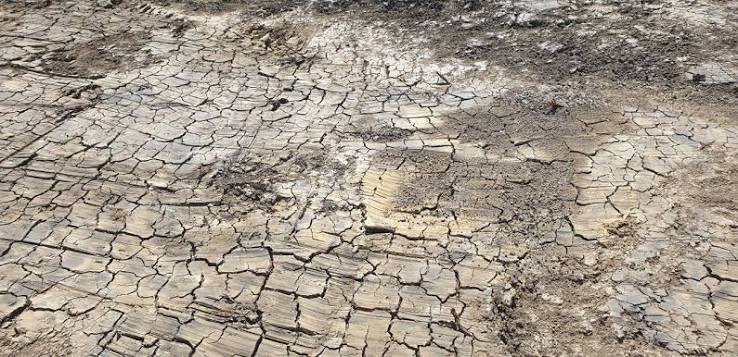
The opposite of settlement — instead of sinking, the ground lifts. This is what reactive clay does when it takes on moisture: it swells and pushes the slab upward, unevenly, cracking it. Slab heave is the classic western-suburbs failure, and it’s driven by moisture changes in the clay — which is why drainage matters so much out here.
Structural cracks (need attention)
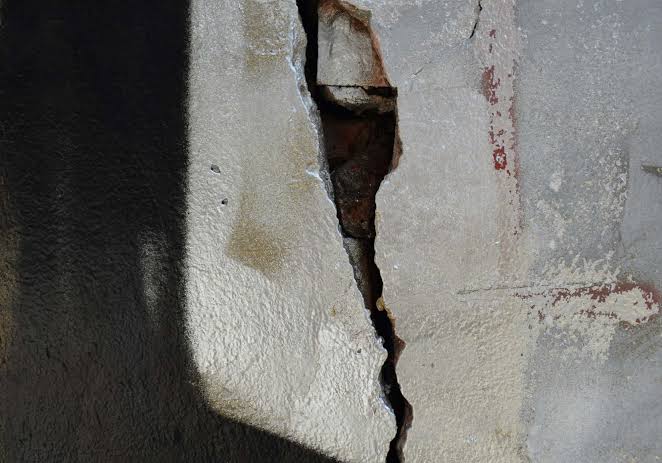
Wider than about the width of a credit card, running through the full depth of the slab, often in a stair-step or diagonal pattern, and sometimes with displacement. These indicate the slab has genuinely failed under load or ground movement, and they usually mean repair or replacement rather than a cosmetic fix. If a crack is wide, growing, or has one side higher than the other, it’s worth getting looked at.
Crazing and hairline surface cracks (cosmetic)
Fine, shallow web-like cracking across the surface, usually from the surface drying too fast during finishing. It looks like a cracked eggshell up close but doesn’t affect strength. Cosmetic only.
Why reactive clay makes Melbourne's west crack more
Here’s the part that’s specific to where you live. Werribee, Point Cook, Tarneit, Truganina and the wider growth corridor sit on reactive clay — flat volcanic ground classified from Class M up to Class H under AS 2870, the Australian standard for residential slabs on reactive soils. The higher the class, the more the ground moves.
Reactive clay swells when it’s wet and shrinks when it dries. Across a Melbourne year — wet winters, dry summers — that means the ground under your driveway is constantly rising and falling. A slab that isn’t built to handle that movement gets flexed and stressed every season until it cracks. This is why a driveway that would sit perfectly flat for decades in sandy soil can crack within a few years out here. It’s not that the concrete is worse — it’s that the ground is working against it, and the slab wasn’t built for the fight.
The reason this matters: most cracked concrete in the west is failed base, not failed concrete. The mix isn’t usually the problem. The problem is a slab laid on ground that moves, without the preparation that lets it cope. Which brings us to how it’s actually prevented.
How proper concreting prevents cracking
You can’t stop reactive clay from moving. What you can do is build a slab that handles the movement instead of fighting it. That comes down to a handful of things done right:
- A compacted crushed-rock sub-base. Most cracking starts here. A properly compacted base gives uniform support so the slab isn’t resting on soft spots that settle or fill that heaves.
- Adequate slab thickness. A driveway needs a minimum of 100mm — thinner slabs simply don’t have the strength to bridge ground movement and vehicle loads.
- Reinforcement at the correct height. Steel mesh (SL72 minimum for a driveway) held up on bar chairs so it sits within the slab, not thrown on the dirt where it does nothing.
- Control joints. These are grooves cut into the slab at set intervals to a depth of about a quarter of the slab’s thickness. Because concrete will shrink and crack, control joints give it a planned, weak line to crack along — so the crack happens where you want it, hidden in a neat groove, instead of randomly across the surface. As one industry saying puts it, joints are just “pretty cracks.”
- The right falls and drainage. On reactive clay this is critical. Water pooling against or under a slab drives the exact moisture swings that heave and crack it. Getting the falls right so water runs off — and keeping it away from the slab edge — is half the battle out here.
- Proper curing. Letting the concrete cure at the right rate (not drying too fast) reduces shrinkage cracking in the first place.
Get those right and a slab on Class H clay can last decades. Skip them — pour straight onto dirt with the mesh on the ground and no thought to drainage — and it’ll crack no matter how good the concrete itself is.
Should you worry about your cracks?
A quick rule of thumb. Thin hairline cracks, shallow surface crazing, and fine cracks that follow control joints are almost always cosmetic — monitor them, seal them if you like, but they’re not a problem. Cracks that are wider than a credit card, that run through the full slab, that have one side sitting higher than the other, or that are visibly growing over time are worth having assessed, because they point to a base or structural issue that won’t fix itself.
If you’re not sure which you’ve got, a photo is usually enough for a concreter to give you a read on whether it’s cosmetic or something to deal with.
Cracked driveway in Melbourne's west?
If your driveway, path or slab is cracking and you want to know whether it’s cosmetic or failing — and what it’d take to fix or replace properly — we can help. We build for reactive clay across Werribee, Point Cook, Tarneit and the wider Wyndham area, and we quote fixed and on-site. Send us a photo of the cracking to start, or book a free on-site assessment.